Multi-Cancer Blood Test in Los Angeles
One blood draw that looks for signals from many cancers at once, and 5 clinics in Los Angeles that list it.
- Time
- One visit A single blood draw
- What you do
- Give a blood sample No scan
- You get
- Signal found or not found With a likely origin if found
A multi-cancer blood test looks for traces that tumours can release into the blood, such as fragments of DNA, and checks for a signal from many cancer types at once. Where it finds one, it may suggest where in the body the signal comes from.
It is an emerging test, and none has been authorized by the FDA. A positive result needs imaging and other tests to confirm it, a negative result does not mean no cancer is present, and it is offered in addition to guideline cancer screening rather than instead of it. Multi-cancer early detection blood testing is offered under brands like Galleri.
Cancer in Los Angeles, by the numbers
The rate of past cancer diagnoses in Los Angeles is lower than the national rate. About 1 in 18 adults in Los Angeles have ever been diagnosed with cancer, other than common skin cancers, compared with about 1 in 13 nationally. That adds up to roughly 440,000 adults in Los Angeles County.
CDC estimates. PLACES figures are modelled from a national health survey, not counted from medical records, so read them as estimates.
Source: CDC PLACES, 2022 and 2023 county estimates. Los Angeles = Los Angeles County, weighted by adult population.
longevityclinicshub.comYour regular doctor can tell you which standard screenings are due for your age. Those come first, and the newer tests above are extras, not replacements.
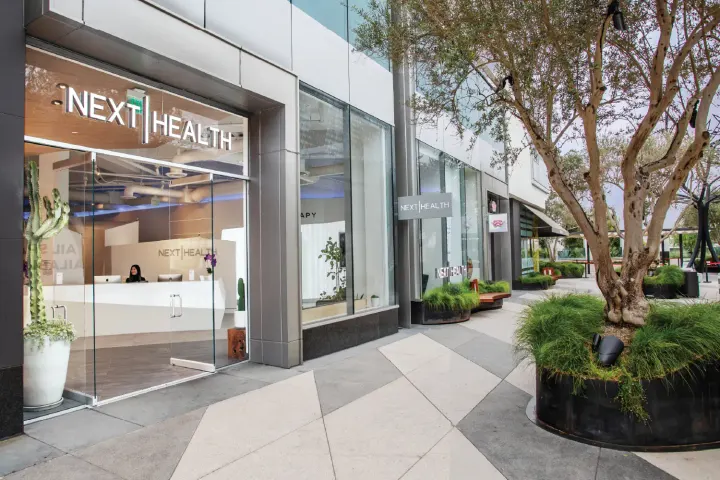

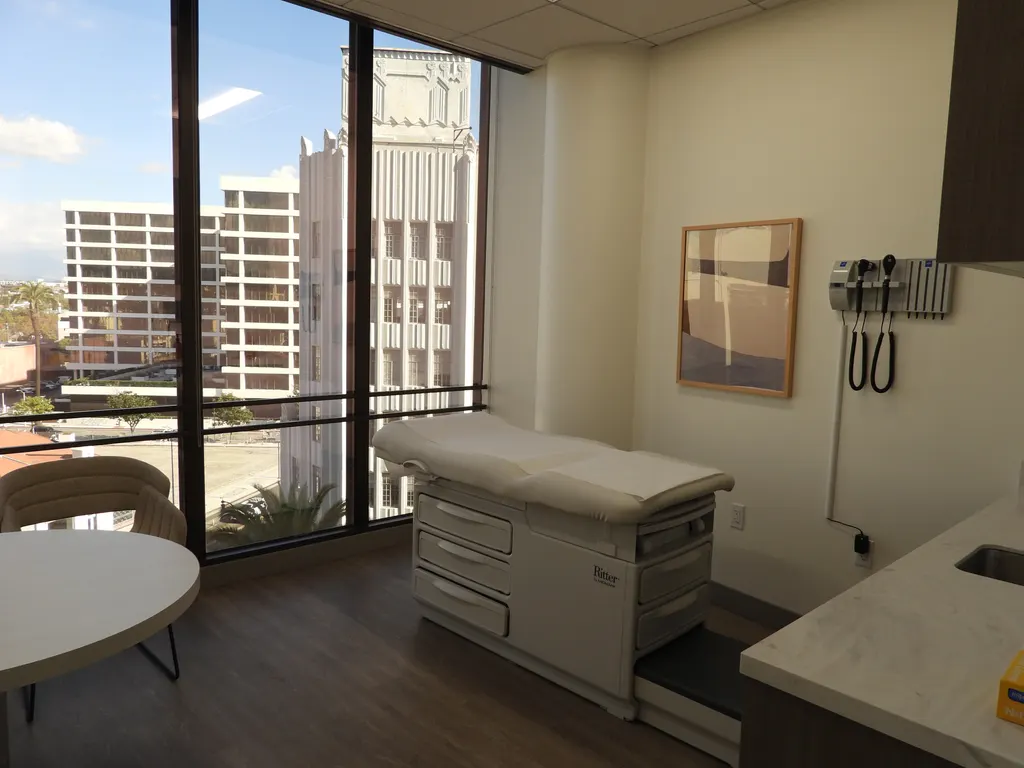

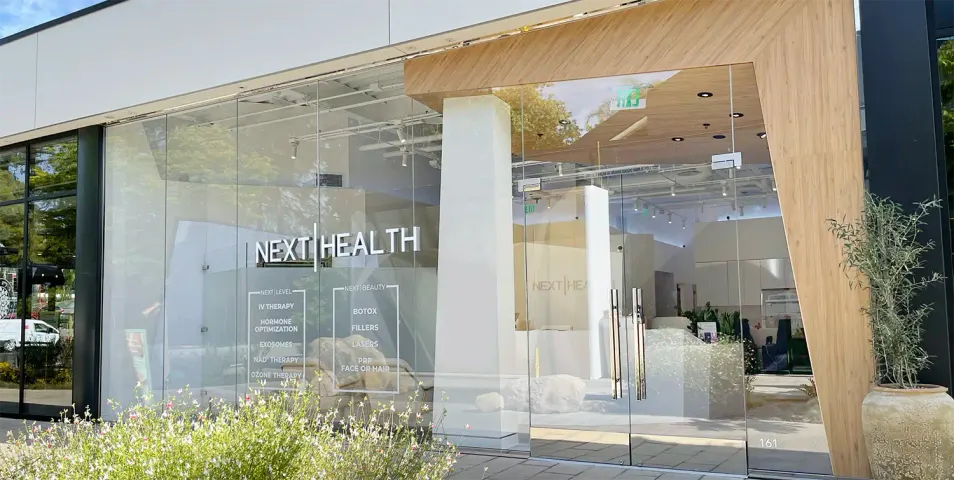
The map could not load. Every clinic is in the list.
Go deeper
Multi-Cancer Blood Test: common questions
Which clinics in Los Angeles list multi-cancer early detection blood tests?
5 in our Los Angeles guide: Next Health, West Hollywood, Sydenham Clinic Beverly Hills, Concierge Health LA, Next Health, Century City and Next Health, Studio City.
What happens after a positive result?
More tests, which can include imaging and sometimes a biopsy. In published research, many positive results were not followed by a cancer diagnosis.
Has it been shown to lower cancer deaths?
Not yet. Large trials are still running, which is why it sits alongside guideline screening rather than replacing it.