Seattle-Bellevue clinics›Brain and cognitive assessment
Seattle-Bellevue · Test guide · Brain and memory testing

Brain and memory testing in Seattle-Bellevue

Brain scans and memory tests that record where you stand now, so future changes have something to compare against. Here's what they can tell you and which Seattle-Bellevue clinics offer them.

Seattle photograph by Mark Raptapolus · Unsplash
The short answer

Brain testing for healthy people is mostly about a baseline: a scan or memory test now, so a change later can be spotted. Experts say there isn't enough evidence to screen people without symptoms, and brain scans often find harmless spots. If you've noticed memory changes, see a doctor instead.

The tests, in plain English

It's like taking a photo of your bookshelf before you move. On its own it doesn't tell you much. It helps later, when you want to know if anything changed.

Brain MRI with volumetrics

An MRI of the brain, with software that measures the size of brain areas and compares them with people your age. No radiation. It often finds small spots that turn out to be harmless.

For: People wanting a baseline who are ready for possible follow-up

Memory and thinking tests

Computer or paper tests of memory, attention and speed. Your sleep, stress and mood that day can change the score, so a retest uses the same test.

For: People wanting a baseline, or who have noticed small changes

Brain health in Seattle-Bellevue, by the numbers

The rate of serious difficulty with memory or focus in Seattle-Bellevue is lower than the national rate. About 1 in 8 adults in Seattle-Bellevue have serious difficulty concentrating, remembering or making decisions, compared with about 1 in 7 nationally. That adds up to roughly 400,000 adults across three counties.

12.4%of adults in Seattle-Bellevue have serious difficulty concentrating, remembering or making decisionsUS: 14.3%
400,000adults in Seattle-Bellevue have serious difficulty concentrating, remembering or making decisionsEstimated from CDC county figures
3Seattle-Bellevue clinics list brain and cognitive assessmentSee them below
Seattle-Bellevue vs the US
Share of adults, 2023

CDC estimates. PLACES figures are modelled from a national health survey, not counted from medical records, so read them as estimates.

Serious difficulty with memory or focusSeattle-Bellevue
United States
Frequent mental distressSeattle-Bellevue
United States
DepressionSeattle-Bellevue
United States

Rates can differ a lot from one county to the next. Open the table to see yours.

See how the three counties compare
CountySerious difficulty with memory or focusFrequent mental distressDepression
King11.0%14.7%23.5%
Pierce15.6%18.1%26.5%
Snohomish12.6%15.8%25.0%
Seattle-Bellevue12.4%15.7%24.5%
United States14.3%16.5%21.6%
↓ Data

Source: CDC PLACES, 2023 county estimates. Seattle-Bellevue = King, Snohomish and Pierce counties, weighted by adult population.

longevityclinicshub.com

If you've noticed changes in memory, focus or mood, start with your regular doctor. The tests above add detail, but they work best alongside that visit.
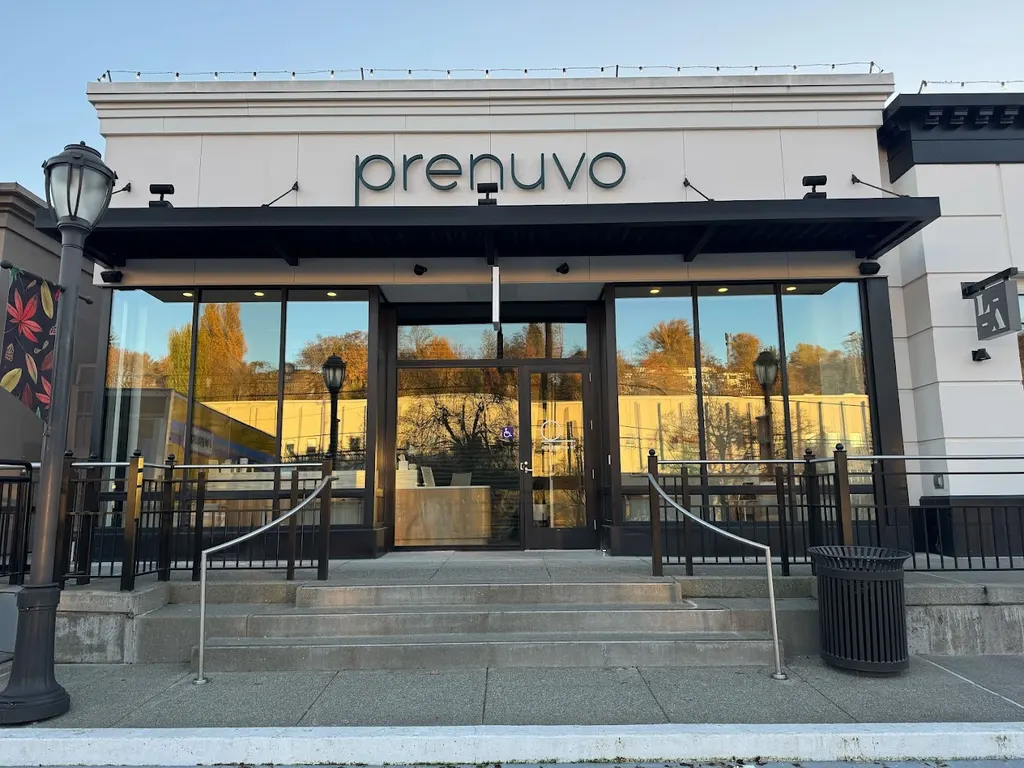
Showing 3 clinics that publish brain and cognitive assessment in Seattle-Bellevue

How a brain check usually goes

  1. History first

    Sleep, mood, medicines, hearing and family history all affect memory.

  2. The testing

    A scan, a set of memory tests, or both. Ask what is included.

  3. Results, explained

    Ideally by a neurologist or neuropsychologist. Ask who reads yours.

  4. What comes next

    A date to retest, or a referral if something stands out.

Good to know. A national panel found there isn't enough evidence to screen older adults without symptoms for memory problems. That's why these tests work best as a baseline, not a verdict.

If you or your family notice memory loss, getting lost, or personality changes, see your doctor. That's not a job for a screening package.

Go deeper

Brain and cognitive assessment: common questions

Which clinics in Seattle-Bellevue publish brain and cognitive assessment?

3 in our Seattle-Bellevue guide: Lake Washington Internal Medicine, Prenuvo, Seattle and Neuroveda Health.

Can a brain scan show if I'll get dementia?

No. It can show shrinkage or other changes, but on its own it can't predict whether one person will develop dementia.

What if the MRI finds something?

Brain scans in healthy people often find small things, and most are harmless. Some need a follow-up scan. Ask before you book who reviews findings and who arranges next steps.

Is a memory test useful if I feel fine?

Mostly as a baseline. A score today means more when you can compare it with a score a few years from now.

Does sleep or stress affect the results?

Yes. Poor sleep, stress, low mood and some medicines can lower memory scores. Mention them, and try to test on a normal day.

What does it cost, and will insurance cover it?

Testing without symptoms is usually self-pay. Insurance is more likely to cover it when a doctor orders it for a symptom. Our guides on cost and insurance go deeper.

How do you decide which clinics appear on this page?

A clinic appears here when its own published material shows it offers this kind of testing at that location.

Sources (3)
  1. U.S. Preventive Services Task Force, Cognitive impairment in older adults: screening
  2. Morris et al., Incidental findings on brain magnetic resonance imaging: systematic review and meta-analysis (BMJ, 2009)
  3. National Institute of Biomedical Imaging and Bioengineering, Magnetic Resonance Imaging

This page is educational information, not medical advice, and it is not a recommendation to have or to skip any test. What is right for you depends on your age, your history and your personal risk, so discuss it with a clinician who knows them. If you have a symptom that concerns you, seek a medical evaluation.

More healthy years, for you and your family

One short email a week, with plain-English ideas from longevity science that you can actually use.

Free. Unsubscribe anytime.